Conditions of Sight
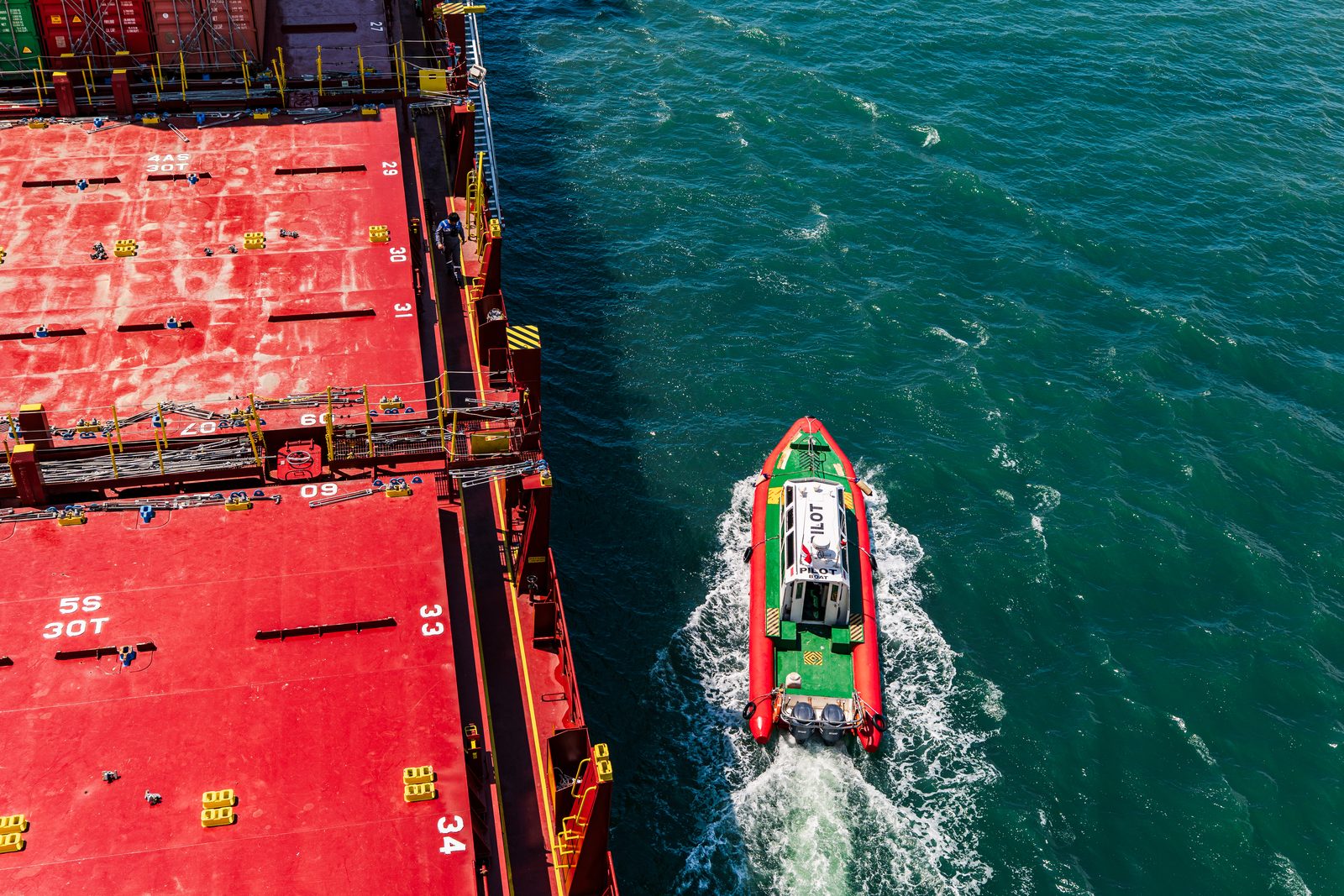
2026I spend most of my time at sea as a navigator. Yet I do not look at the sea freely. The positions from which I can stand are fixed, and my field of vision is continuously restricted and shaped by the bridge windows, railings, the height of the deck, containers, and the structures of the vessel.
From this experience, a question emerged. Is landscape simply the scene that exists before my eyes, or does it only take shape when where and how I am looking are also taken into account?
Across the vast and largely featureless ocean, these conditions become even more apparent. The same sea and sky become landscapes of different distances, scales, and orientations depending on whether they are seen from inside the bridge, from a high deck, or through gaps between structures. What I once thought of as elements obstructing the view gradually came to appear not as interruptions, but as a framework that determines how I perceive the world.
Ground
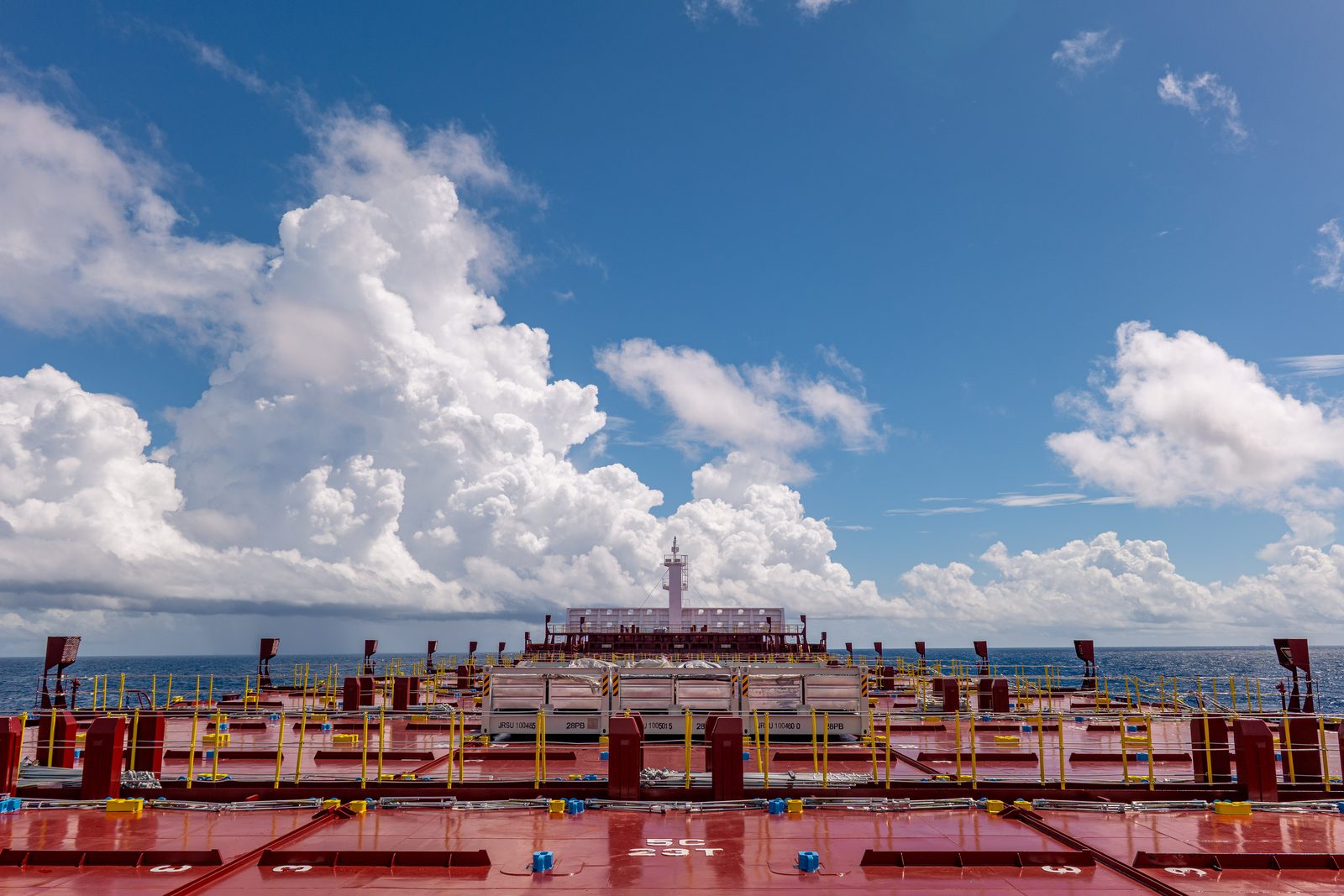
DECK LEVELRails and deck lights are arranged in precise horizontal order, while hatches divide the deck into sections.
A mast rises vertically, slicing through the sky.
Designed according to rules and procedures, the deck functions as a kind of ground.
From this steel ground, the irregular shifts of nature are observed through perspective and distance.
Bridge
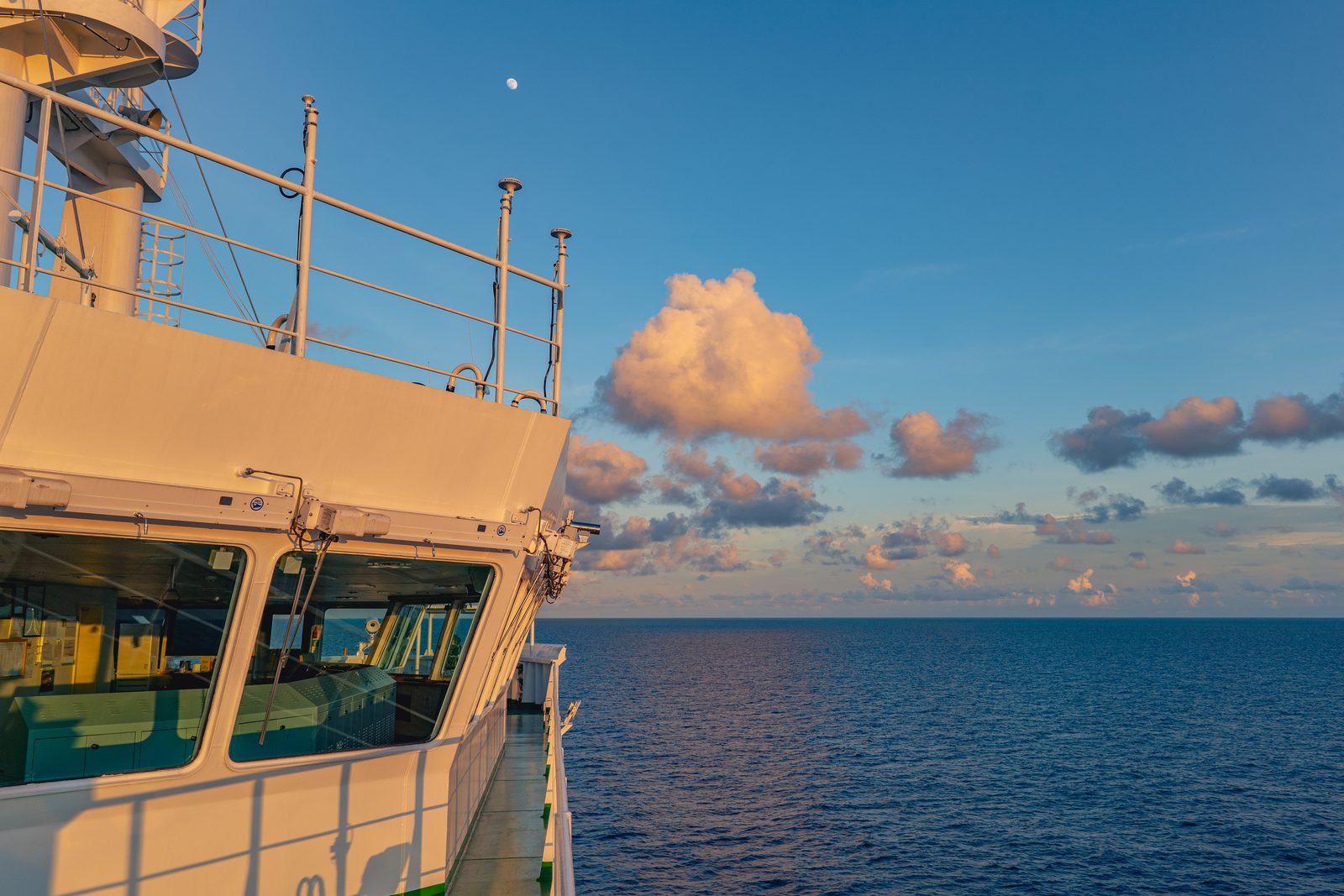
BRIDGE DECKThe bridge takes its name from a deck-like structure designed to open views to both sides of the vessel.
Its windows present a restrained and cut section of the landscape, while also framing and composing the field of vision.
From outside, this device for perceiving and observing the world reappears together with the sea.
Conditions of Sight begins from this experience. Rather than presenting the sea as a completed landscape, the work records the conditions through which landscape becomes visible to me. Limited positions, structures, height, distance, orientation, and time determine what can be seen, while at the same time determining what remains outside the field of vision.
Z-Axis
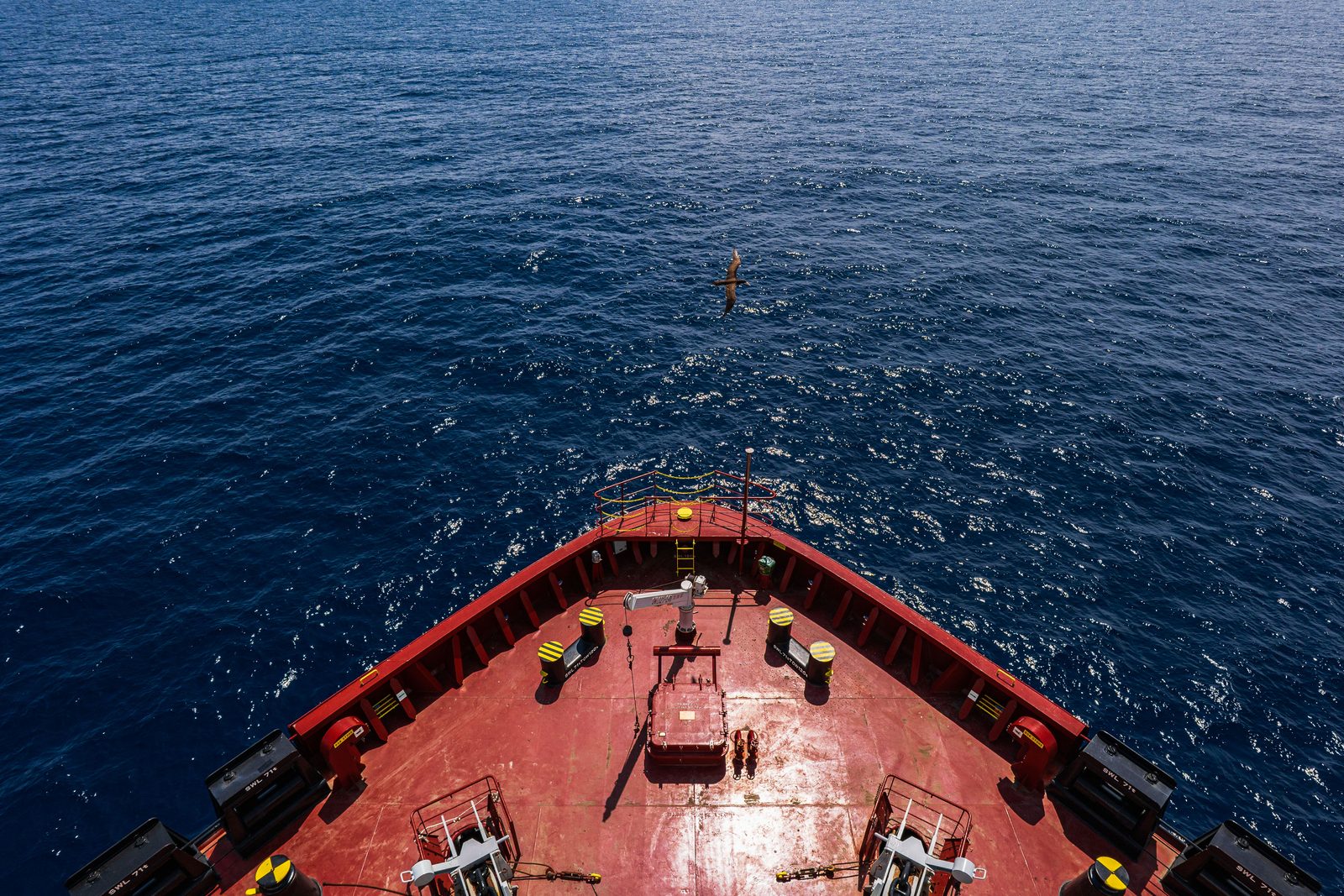
FROM ALOFTFrom high above, the landscape reveals both the welded grid of steel plates and the smooth, flowing texture of the sea in a single glance.
A bird hovering in the scene is read as a measure of scale, reconfiguring the sense of space.
Overlay
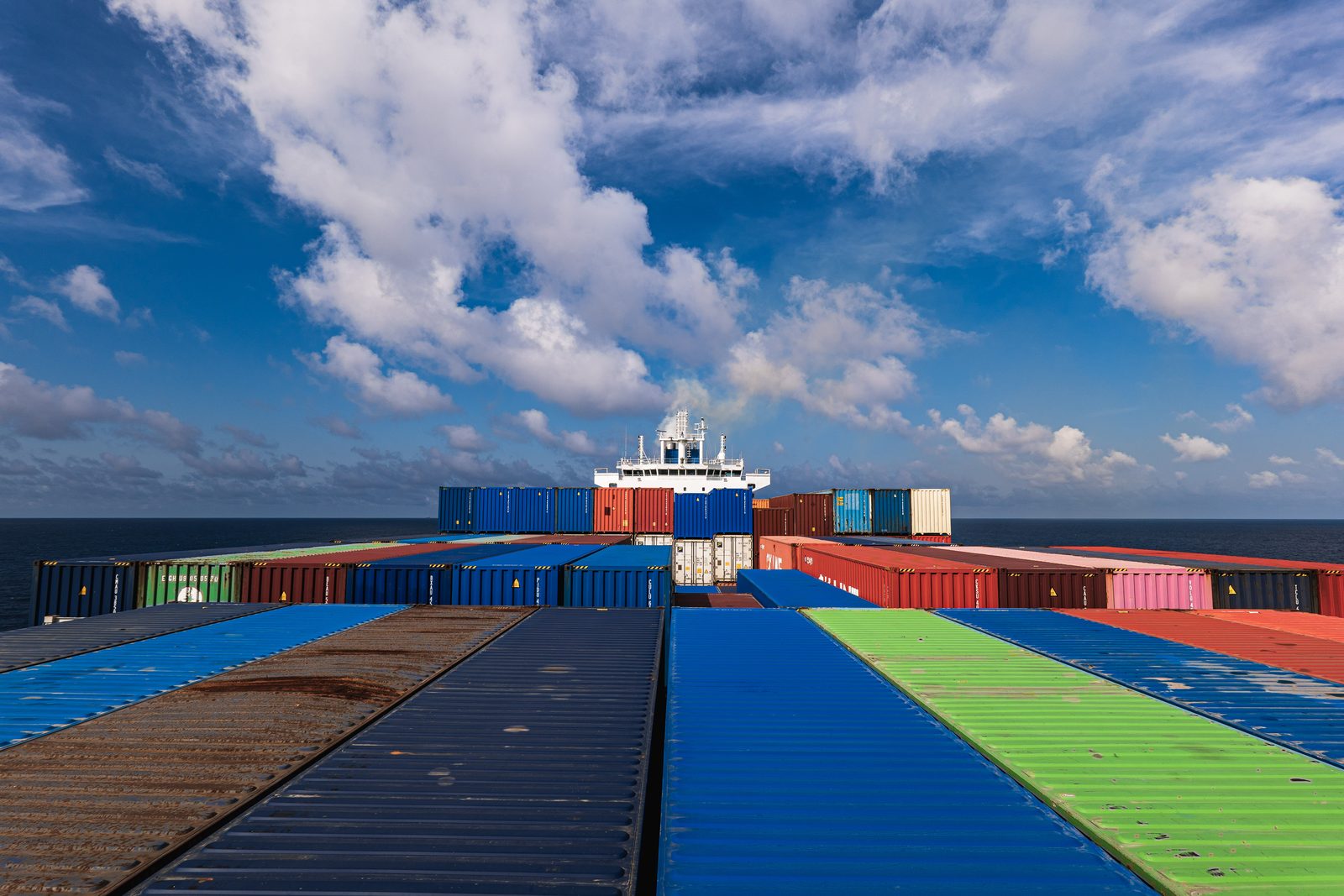
FOREMASTFrom the foremast, looking toward the bridge, a sea of containers seems to replace the horizon.
Beyond them, the funnel releases white exhaust.
Scattered clouds overlap with the smoke, making it appear as though they were produced by the funnel itself.
Within the field of vision, the artificial and the natural become entangled.
Moment and Duration
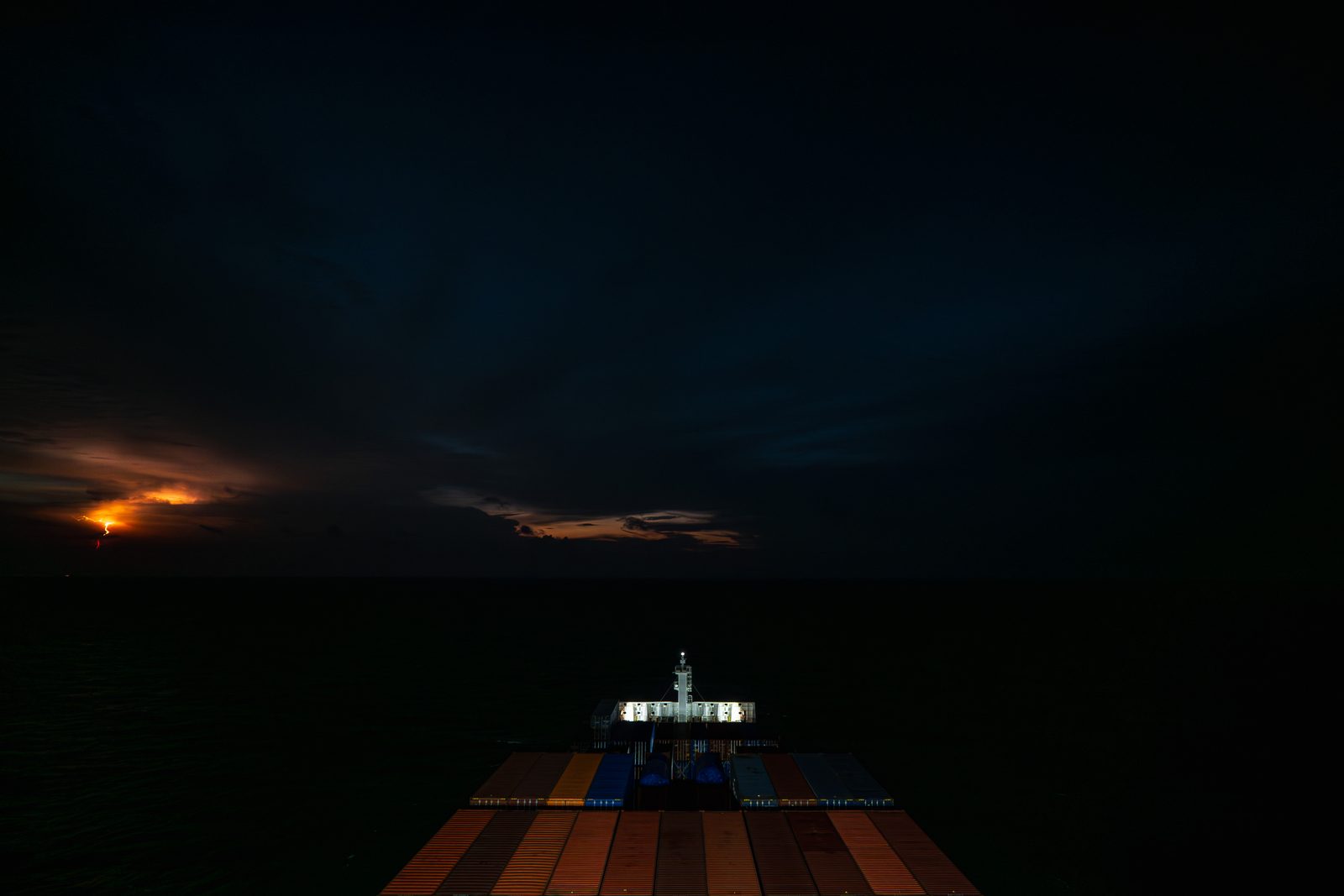
NIGHT WATCHThe open sea at night holds no light of its own.
As low pressure approaches, the sky is covered with cloud, creating conditions in which the landscape is difficult to record.
Lightning flashes at its brightest and disappears.
By contrast, the lights of ships remain faint but enduring. They are the faintest light that can still be retained in a photograph on the night sea.
Direction
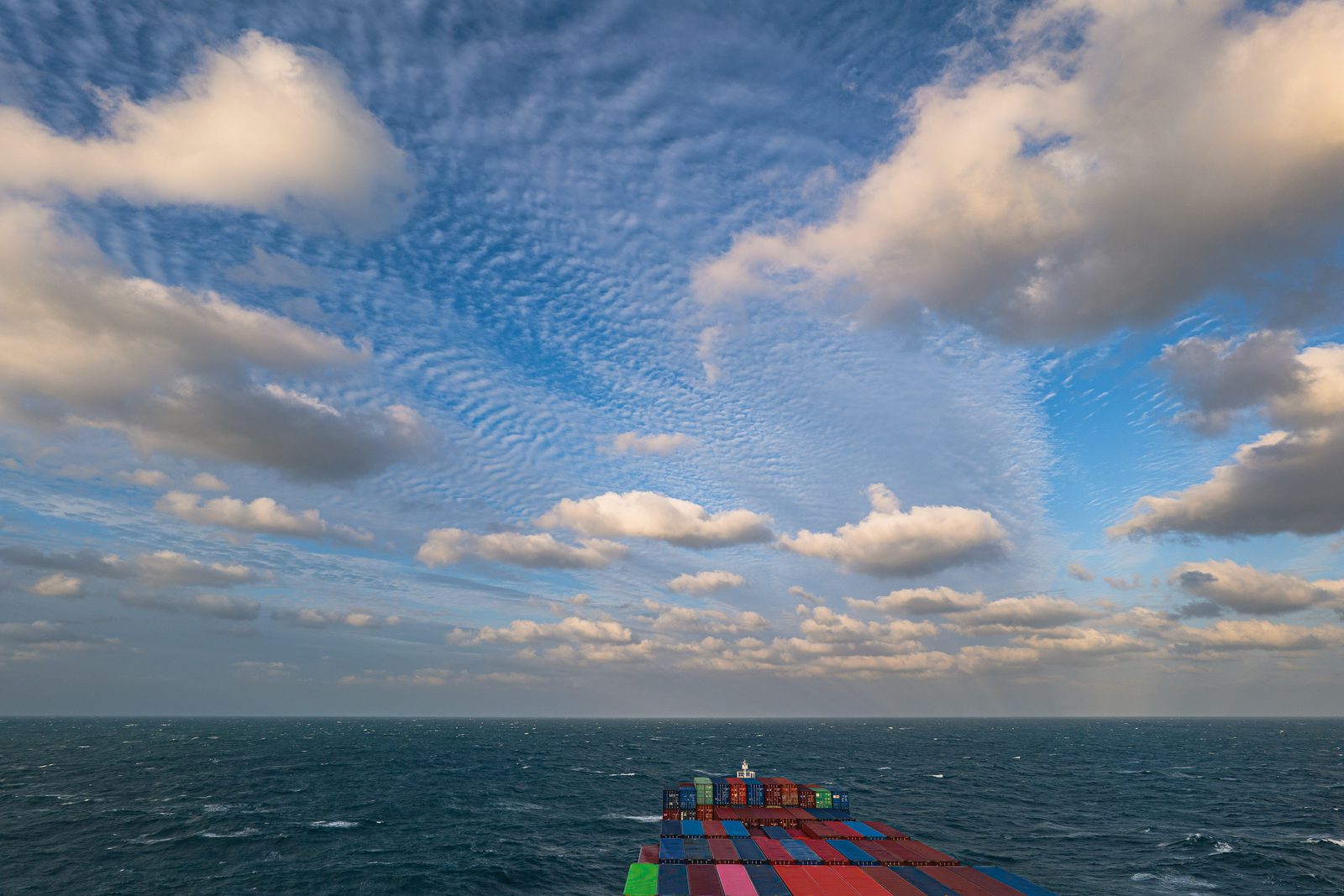
AFTER THE LOWAfter the low pressure has passed, drifting clouds, whitecaps, and a ship underway come into view.
The flow reveals that this is not a static scene but one in motion.
From a fixed position, the direction of nature becomes legible.
Mangrove
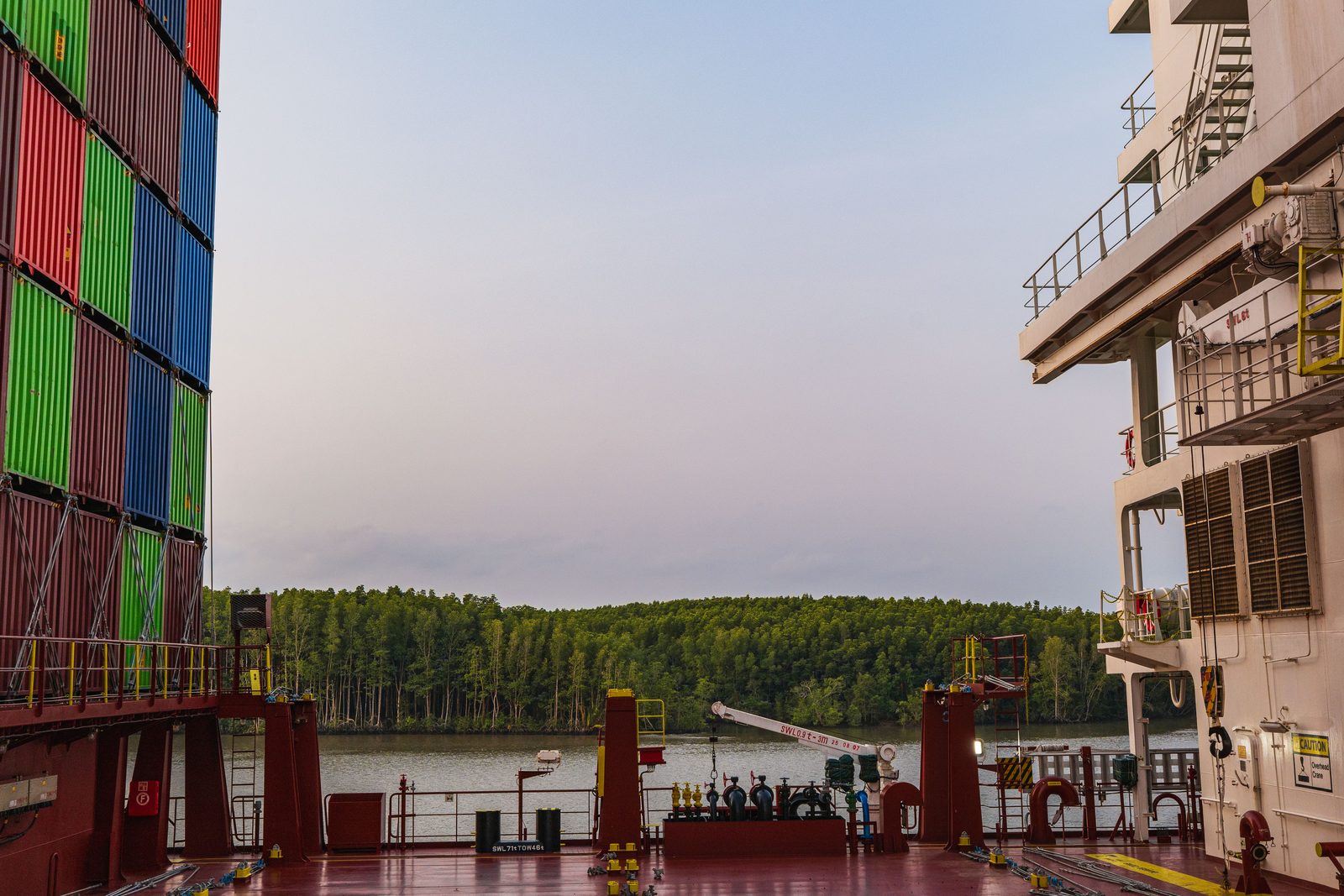
RIVER APPROACHTo berth at Ho Chi Minh's inland pier, one must navigate approximately 47 miles along a river enveloped by mangrove forests.
The constrained view from a low position reveals only fragments of the long mangrove landscape, conveying the sensation of sailing through the forest with distance compressed.
At close range, the panorama vanishes, leaving only dense masses of trees to fill the field of vision.
Point and Cliff
OPEN SEAAs the voyage repeats, encounters with other vessels begin anew across the open sea.
Held at a safe distance, they recede into points and become part of the background, while the nearby structure rises almost like a cliff.
Landscape is not a fixed form, but something reconfigured by position and condition.
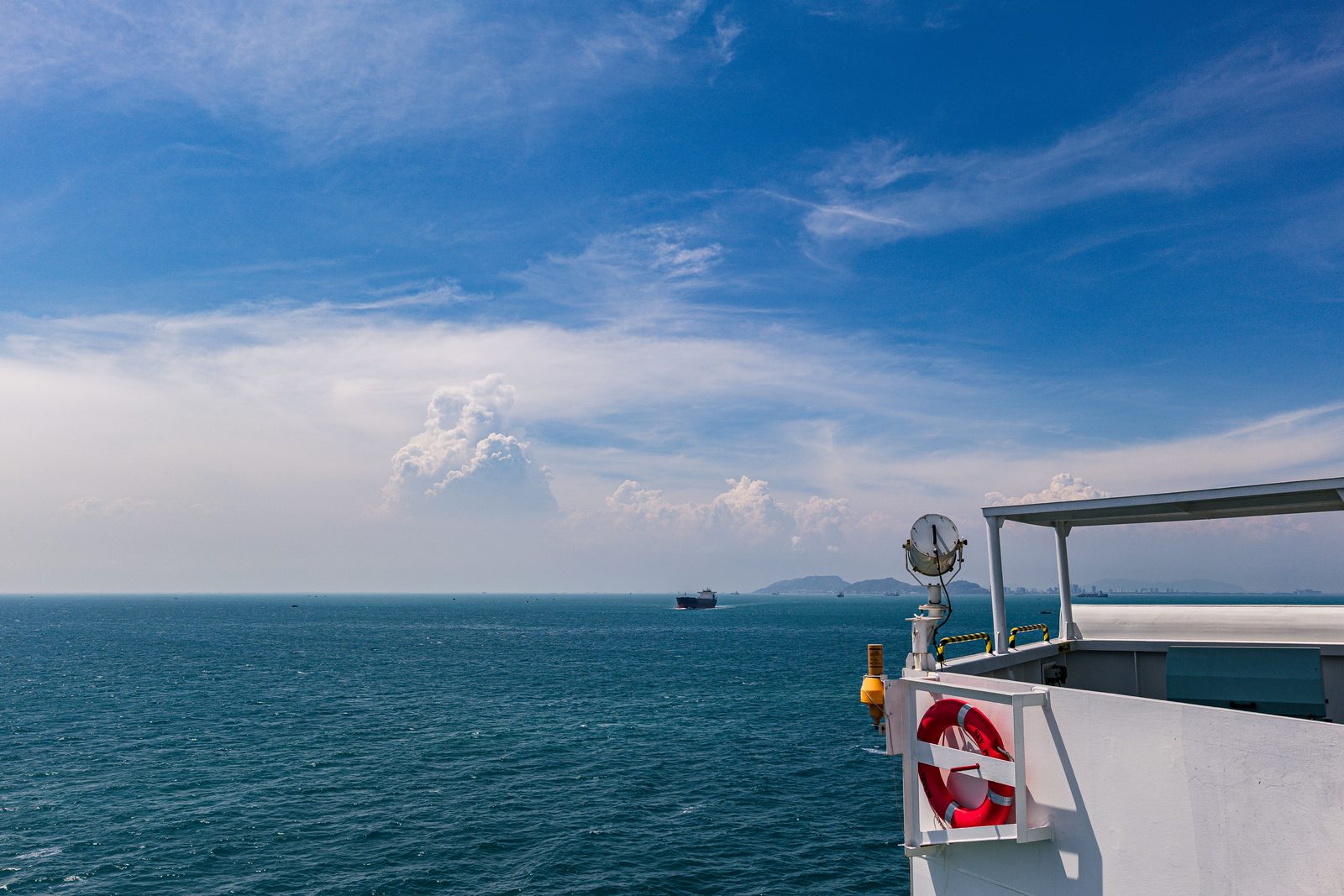
Today, images are rapidly consumed on screens, often detached from the context of place and position. The landscapes I experience at sea, however, cannot be separated from the conditions in which sight is situated. In this work, the vessel is not positioned in opposition to nature. Instead, it becomes a visual structure that organizes the way sea and sky appear as landscape.
Ultimately, this series records not landscape itself, but the conditions of sight that make landscape possible.
Studies